Hiring Professional Broadcast System Integrators
How Broadcast System Integrators Revolutionize Media Production: Important Insights
Broadcast system integrators hold a key position in the media production industry. They design and implement specialized broadcast systems that improve collaboration and optimize workflows. By integrating advanced technologies, these specialists not only improve operational efficiency but also elevate content quality. As the media landscape continues to evolve, recognizing how these integrators respond to emerging challenges grows increasingly important for companies striving to excel. What strategies are proving most effective in this dynamic field?
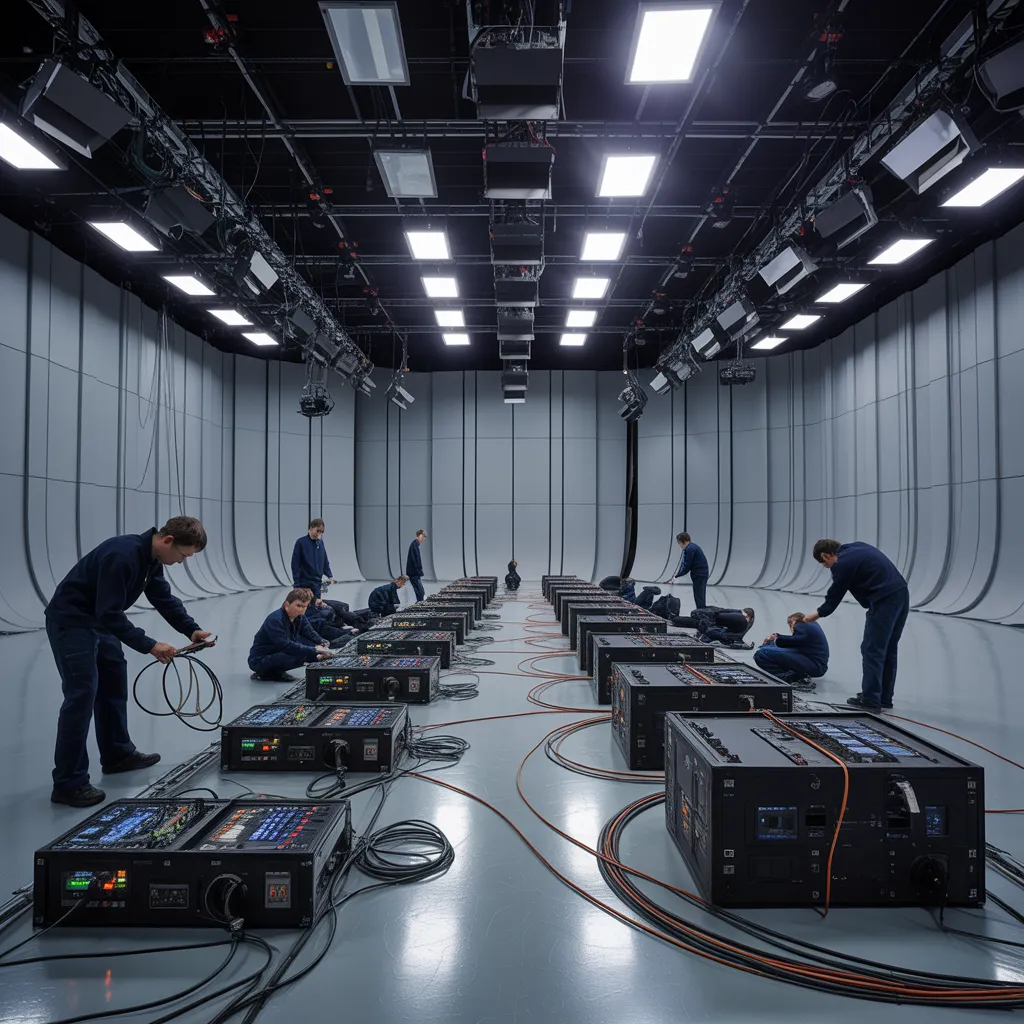
How Broadcast System Integrators Support Media Production
Broadcast system integrators fulfill a vital purpose in the media production industry by developing and deploying advanced technical systems designed for particular broadcast objectives. They analyze the specific demands of each assignment, guaranteeing that technical strategies complement creative aims. By means of thorough planning and delivery, integrators streamline workflows, improve signal transmission, and refine equipment coordination.
Their expertise encompasses an extensive array of specialized fields, including video content creation, sound engineering, and digital resource management. By coordinating hardware and software components, they establish streamlined environments that support productive content production and delivery.
Furthermore, systems integrators in broadcasting provide continuous support and maintenance, ensuring that systems remain operational and effective. They also remain current on evolving industry trends and innovations, enabling clients to leverage the newest advancements in media technology. Ultimately, their contributions greatly impact the efficiency and quality of media production, enabling creative teams to concentrate on compelling storytelling and audience engagement.
Optimizing Collaboration Across Creative Professionals
Seamless collaboration among creative teams is essential for successful media production. Broadcast system integrators fulfill a key role in this process by developing cohesive environments that promote communication and innovation. Through the design of integrated systems, they remove silos and enable real-time feedback among diverse teams, including writers, directors, and technical staff. This cohesive approach confirms that all contributors stay aligned with project goals, boosting overall productivity.
In addition, system integrators implement joint workflows that allow for smooth sharing of resources and concepts. Through the use of collaborative platforms and tools, creative teams are able to access identical information, limiting misunderstandings while increasing overall efficiency. These integrators additionally stress the value of adaptability, allowing teams to adapt swiftly when faced with creative challenges. In the end, the function of broadcast system integrators in improving collaborative processes is essential in reshaping the media production landscape, resulting in exceptional outputs that engage audiences.
Essential Technologies for Collaborative Media Production
Within the realm of cooperative media development, critical technologies are instrumental in improving productivity and innovation. Cloud-based collaboration tools, instantaneous editing platforms, and remote production technologies are instrumental in enabling teams to operate efficiently across multiple sites. These developments encourage a more integrated and dynamic workflow, consistently improving the caliber of media productions.
Web-Based Collaboration Platforms
Many media production teams have begun relying on cloud-based collaboration tools to enhance their workflow and streamline communication. Such platforms facilitate real-time file sharing, empowering team members to work with and update materials remotely. This versatility not only enhances performance but also stimulates creative thinking, as diverse teams can contribute simultaneously, without being limited by location. Moreover, cloud-based tools frequently feature features like project tracking and version history, making certain that every participant remains informed across the entire production cycle. Consequently, the integration of these technologies not only reduces bottlenecks but also accelerates project timelines, making them an essential component in modern media production strategies. Integrating cloud technologies is thus critical for maintaining a competitive edge in the modern media environment.
Live Editing Solutions
Real-time editing technologies redefine the media production collaboration landscape by allowing teams to collaborate simultaneously on projects across various locations. These solutions enable instant feedback and decision-making, greatly enhancing productivity and creativity. By enabling multiple users to simultaneously access and modify content, they eradicate the bottlenecks tied to traditional editing methods. In addition, integrated features such as version control and comment tracking guarantee that all team members remain aligned throughout the production cycle. This collaborative environment fosters innovation, as varied viewpoints can be integrated effortlessly. Therefore, real-time editing platforms not only optimize workflows but also enhance the overall quality of media productions, making them indispensable tools for modern broadcast system integrators.
Remote Content Production Technologies
Remote production technologies transform the framework of cooperative media creation by enabling seamless communication and content sharing across vast distances. These innovations, including cloud-powered workflows and high-capacity connectivity, enable live collaboration among teams situated across various geographic regions. By utilizing advanced video compression and transmission methods, broadcasters can efficiently deliver high-quality content without the need for physical presence at production sites. Additionally, solutions such as remote camera management and virtual production platforms allow teams to operate equipment and manage projects from anywhere. This versatility not only minimizes overhead but also boosts creative output, as varied professionals can participate in projects without operational limitations. In the end, remote production innovations enable media companies to respond to shifting needs and elevate their creative capabilities.
Improving Content Quality and Efficiency
In the current competitive media environment, enhancing content quality and efficiency is essential for broadcast system integrators. By utilizing cutting-edge technologies including artificial intelligence and automation, these integrators streamline production processes, facilitating reduced production timelines without sacrificing quality. Implementing state-of-the-art editing software and cloud-based solutions empowers teams to communicate and coordinate effectively, irrespective of their geographic location, further optimizing workflows.
Furthermore, the integration of high-definition and cutting-edge formats improves the viewing experience, making the content produced more impactful. Routine upskilling and training of team members establish that teams continue to excel in the most advanced tools and approaches, driving innovation in media production. Additionally, robust quality control measures are established to sustain elevated standards across the entire production process. At the core, by emphasizing these key strategies, broadcast integration specialists not only improve the caliber of produced content but also enhance overall operational performance, defining excellence within the industry.
Keeping Up with Changing Audience Needs
Moreover, the growth of on-demand content has required a transition in content creation approaches, compelling integrators to implement innovative workflows that emphasize speed and accessibility. Grasping regional preferences and demographic patterns becomes vital for developing compelling and targeted content.
In the end, by focusing on viewer engagement while leveraging technology, broadcast technology integrators can enhance viewer loyalty and satisfaction. This flexibility not only addresses current demands but also positions organizations for sustainable growth in an highly competitive media landscape.
Upcoming Innovations in Broadcast Integration
The future of broadcast integration is set for remarkable progress through cloud-driven platforms, which offer greater scalability and adaptability. Rising innovations in AI and automation stand to improve production workflows and personalize content. Moreover, enhanced remote working platforms will reshape teamwork across the media production landscape, facilitating smooth collaboration and creative expression.
Progress in Cloud-Based Solutions
Revolutionizing the world of media production, cloud-based solutions are rapidly advancing, facilitating smooth integration and cooperation across multiple platforms. Such innovations provide real-time availability of critical resources, enabling teams to operate in parallel from multiple locations. By leveraging cloud technology, media organizations can effectively store and handle large volumes of data, improving overview overall workflow productivity. Greater scalability confirms that organizations can adjust to shifting requirements without substantial initial investments. Moreover, cloud-driven systems facilitate superior video streaming and remote production features, streamlining the content creation process. As these innovations persistently develop, they are poised to offer media professionals the adaptability and responsiveness required to meet the dynamic challenges of the media landscape, profoundly redefining how media content is developed and delivered.
Artificial Intelligence and Automation Trends
As cloud-based solutions continue to enhance collaboration in media production, the adoption of AI and automation stands ready to transform operational efficiencies throughout broadcasting. Such technologies optimize workflows through the automation of repetitive tasks including video editing and content tagging, enabling creative teams to concentrate on higher-value activities. AI-driven analytics provide insights into audience preferences, enabling more targeted content creation. Additionally, predictive maintenance powered by AI minimizes downtime in broadcasting equipment, ensuring smoother operations. The advancement of machine learning algorithms increasingly strengthens content personalization, tailoring broadcasts in real-time to viewer behavior. As these advancements mature, they are set to revolutionize the landscape of media production, ultimately cultivating more agile and responsive broadcasting environments.
Improved Remote Collaboration Solutions
Breakthroughs in improved remote collaboration tools are reshaping the broadcasting landscape, enabling teams to work seamlessly across global locations. These tools allow professionals to exchange premium video content, leverage unified resource libraries, and collaborate simultaneously, consequently improving workflow operations. Progress in cloud computing have facilitated secure access to digital assets and software, while unified collaboration systems encourage immediate communication among team members. Furthermore, immersive VR and AR technologies are advancing, providing engaging environments for distributed teamwork. As these solutions mature, they are poised to boost innovation, improve productivity, and lower production expenses. AV integration experts are indispensable in deploying these technologies, ensuring that media production remains dynamic and efficient in an ever-expanding international landscape.
Frequently Asked Questions
What Methods Do Broadcast System Integrators Use to Ensure Data Security in Media Production
Broadcast systems integrators maintain data security within media production environments through robust encryption, comprehensive access management, regular security audits, and comprehensive training. These specialists implement established industry standards and leading best practices to safeguard sensitive information from possible security breaches and unauthorized data access.
What Credentials Do Broadcast System Integrators Usually Have?
Broadcast system integrators commonly hold qualifications in engineering, information technology, and media production. A large number carry certifications in specific technologies, along with extensive experience in project management, guaranteeing the seamless integration of intricate broadcast workflows and systems.
What Factors Affect Costs When Hiring a Broadcast System Integrator
Costs for hiring a broadcast integration specialist can differ significantly based on project complexity, required technology, and geographic location. In most cases, fees extend from hourly rates to flat project costs, representing the integrator's level of expertise and available resources.
What Are Common Challenges Faced by Broadcast System Integrators?
Broadcast system integrators frequently encounter obstacles such as fast-changing technology, financial limitations, strict deadlines, as well as the necessity for effective coordination among diverse groups. These elements make project management more complex and can impact overall production quality and efficiency.
How Do Broadcast System Integrators Determine the Success of Their Projects?
Broadcast system integrators evaluate the success of projects via critical performance metrics, client fulfillment, staying within budget parameters, and timelines. They also assess overall system performance, user experience, and the overall impact on production efficiency and audience interaction.